Perpetual Funding Rates in 2026: How to Read Them, Trade Them, and Avoid Paying the Crowd
A practical guide to perpetual futures funding rates in 2026 — what they signal, how to structure carry trades, and why verified high-tier accounts change the economics.
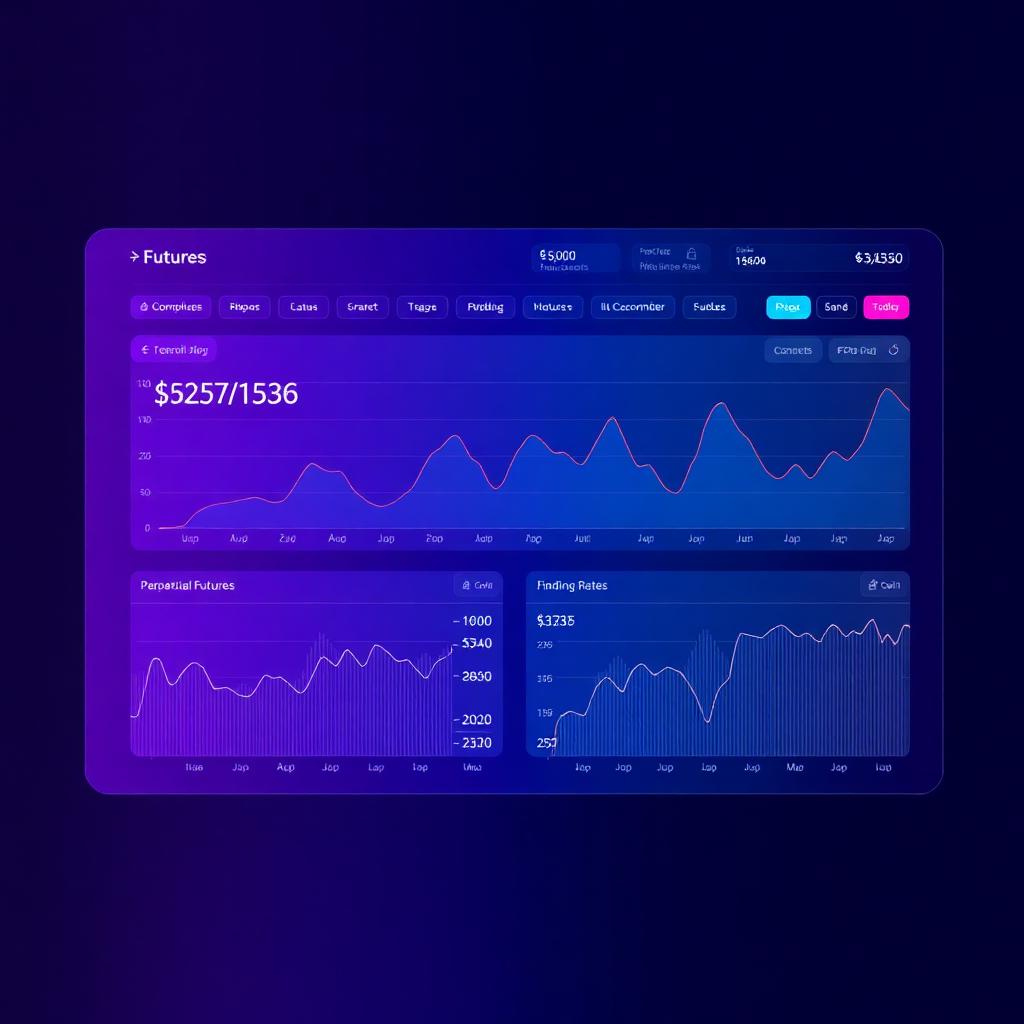
Funding rates are the heartbeat of the perpetual futures market. They rebalance long and short exposure every eight hours across Binance, Bybit, OKX, and every other major venue. Read them well and they are one of the cleanest sentiment indicators in crypto. Read them badly and you end up paying the crowd 30–100% annualised for the privilege of holding a position that was already priced in.
What funding actually is
A perpetual future has no expiry. To keep its price anchored to spot, the exchange charges the side with the larger open interest a small periodic fee, paid directly to the other side. When perps trade above spot (longs crowded), longs pay shorts. When perps trade below spot (shorts crowded), shorts pay longs. The rate is usually quoted per 8-hour funding interval; annualise by multiplying by roughly 1,095.
The three regimes
Neutral (±0.01% per interval, roughly ±11% annualised): the market is balanced. Funding is noise. Hot (0.05–0.1% per interval, 55–110% annualised): one side is heavily crowded and paying for the privilege. Extreme (>0.15% per interval, >160% annualised): a squeeze is loading. These prints usually resolve inside 24–72 hours, either through a violent liquidation cascade or a slow bleed as positions capitulate.
Funding as a contrarian signal
Sustained positive funding above 0.05% for more than 12 hours is a warning that longs are crowded. It does not mean price will fall immediately, but it means the marginal buyer is now paying carry — every hour they hold, they lose money to shorts. The setup resolves either by price grinding higher (unlikely, because the incremental buyer is gone) or by an unwind. Historically, the second outcome dominates.
The basis trade: how professionals earn funding
When funding is persistently positive, the clean trade is: long spot, short perp, in equal notional. The spot leg has no funding cost. The perp short collects the funding paid by crowded longs. Net exposure is zero, so a price move in either direction does not affect PnL. You are earning the funding rate, minus fees and slippage, minus the opportunity cost of the collateral. In a hot regime this can print 40–80% annualised risk-free for as long as the funding stays positive.
Why verified accounts matter here
The basis trade is capital-intensive: you need dollar-for-dollar collateral on both legs. Retail accounts with $10K perp position caps cannot run it at scale. A verified Level 3 account with $1M+ position limits and portfolio margin can. VIP tier fee discounts also matter — a 0.02% round-trip fee difference on a basis trade compounds against a 60% annualised funding capture. This is one of the trades where the account tier is the trade.
Cross-venue arbitrage
Funding rates are not synchronised across exchanges. In an extreme regime, Binance BTCUSDT perp might pay 0.08% while OKX pays 0.03% at the same time. The clean structure: long the cheaper-funding perp, short the expensive-funding perp, delta-neutral. You capture the funding spread, not the level. This trade requires verified accounts on both venues with matched position limits — a common blocker for retail traders and a common reason to buy pre-verified paired accounts.
Reading funding as a top signal
In every major cycle top in the last five years, funding rates spent 3–5 days at extreme positive levels before the top. This is not a trading edge on its own — timing the exact top is impossible — but it is a strong hedging signal. When funding sustains above 0.1% for three consecutive intervals, professional desks routinely reduce spot exposure or overlay short-perp hedges even without exiting long-term positions.
What funding does not tell you
Funding is a positioning signal, not a fundamental one. High positive funding says the market is crowded long, not that the asset is overvalued. Low or negative funding says the market is crowded short, not that the asset is cheap. Traders who conflate the two get chopped up in trending markets, where funding can stay hot for weeks while price continues in the crowded direction.
Funding rates are the cleanest single-number sentiment gauge in crypto. Read them daily, know your account's position limits, and remember that the trade with the highest expected value is often the boring one — collecting funding from a crowded market, not chasing it.
Ready to buy or sell on Verified Vaults?
Browse verified listings or contact us on WhatsApp at +44 7474 711525 or Telegram @verifiedmarts to confirm an order.