Crypto Cross-Border Remittance Corridors in 2026: Where Verified Accounts Actually Save You Money
A corridor-by-corridor look at how verified crypto accounts cut remittance fees vs banks and MTOs in 2026 — Philippines, Nigeria, Argentina, Turkey, and more.
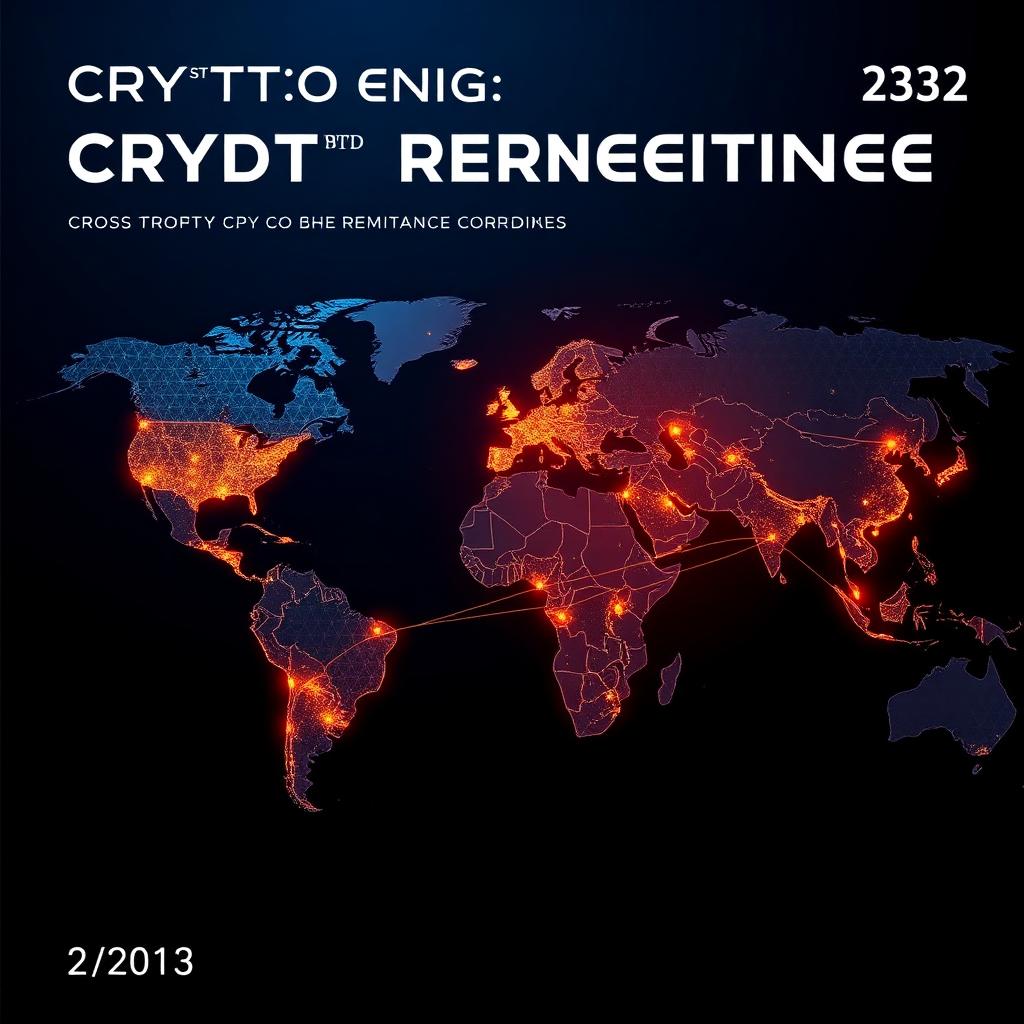
Global remittance flows crossed $900B in 2025, and roughly 12% of that volume now moves through crypto rails at some point in the chain. But the savings vary wildly by corridor. In some routes a verified exchange account cuts the effective fee from 7% to under 1%; in others the on/off-ramp spread eats most of the gain. This guide walks the corridors we watch the closest and where verified accounts move the needle.
Why verification matters for remittance
Unverified accounts hit two walls fast: daily withdrawal caps that break any serious remittance flow, and P2P access that is either disabled or throttled. A Level 3 verified account on Binance, Bybit, or a regional exchange like Bitso or Bitpanda unlocks the on/off-ramp volume and the P2P liquidity that make the corridor economics work.
USA → Philippines
The reference corridor. Traditional MTOs charge 4–6% on a $500 send. Route: verified USD exchange account → USDT → verified PHP exchange account (Coins.ph, PDAX) → GCash payout. All-in cost in 2026: 0.6–1.1% depending on P2P spread. The bottleneck is not crypto — it is the PHP-side KYC. A verified PDAX or Coins.ph account is the actual moat.
Europe → Nigeria
Bank wires to Nigeria are slow, expensive, and often blocked. Verified Bitpanda or Kraken EU → USDT → verified P2P on Binance or Bybit in NGN. Effective cost: 1.5–2.5% including the NGN P2P premium. The catch: Nigerian P2P NGN premiums can swing 3–5% during dollar-scarcity windows, and you cannot arbitrage them without a verified NGN-side account.
USA → Argentina
Argentina is the corridor where crypto genuinely dominates. Blue-dollar premiums make USDT the de facto savings unit for millions of people. Coinbase USD → USDT → Lemon Cash or Ripio (both require full KYC). Effective fee: near zero once you factor in that the alternative is a black-market dollar exchange at a worse rate.
Turkey → EU
Reverse corridor: Turkish lira → euros. Verified Turkish exchange (Paribu, BtcTurk) → USDT → verified EU exchange (Bitpanda, Kraken EU) → SEPA out. Effective cost 1.2–1.8% and, critically, hours instead of days.
UAE → South Asia
The Dubai-to-Karachi and Dubai-to-Dhaka corridors are dominated by hawala historically. Verified UAE VARA accounts on Binance or Bybit now compete directly: AED → USDT → P2P out in PKR or BDT. All-in 1.5–3% including the local P2P premium. Speed is the real edge: same-hour vs same-day.
LatAm intra-regional
Bitso (Mexico) → USDT → Mercado Bitcoin (Brazil) → PIX out. This is the corridor that killed the traditional Mexico-Brazil bank wire. Fees under 1% and settlement in minutes.
Where crypto does not win
Inside the EU on SEPA Instant, crypto adds cost, not saves it. US domestic ACH is essentially free. UK Faster Payments is free. Do not use crypto rails when the fiat rail is already instant and free — the on/off-ramp spread will always beat you.
The verified-account requirement is not optional
Every corridor above assumes verified accounts on both sides. Unverified accounts either cannot access the P2P market at all, or face withdrawal caps that make the flow uneconomic. The account is the infrastructure; the corridor is the strategy. Match the two.
If you are building a remittance flow for a business or personal use in 2026, start by identifying the two verified accounts you need — one per side of the corridor — before you optimize anything else. Everything downstream depends on that foundation.
Ready to buy or sell on Verified Vaults?
Browse verified listings or contact us on WhatsApp at +44 7474 711525 or Telegram @verifiedmarts to confirm an order.